

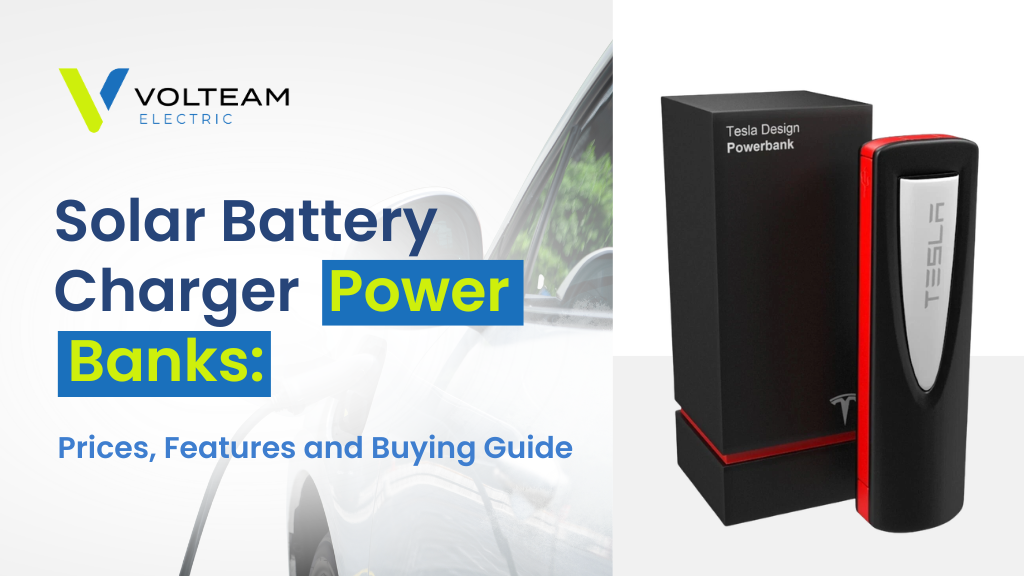
Solar Battery Charger Power Banks: Prices, Features and Buying Guide
There is a special kind of stress that comes from watching your phone hit 2 percent when you are nowhere near a power point. A campsite three hours from the nearest town. A long-haul flight delay. A blackout after a summer storm rolls through South East Queensland. A solar battery charger power bank is built for exactly those moments, topping up your battery from the sun when the grid is not an option.
The catch is that not all of them are worth your money, and a few make solar promises they cannot keep. This guide breaks down what these devices actually do, what they cost in 2026, and how to pick one that suits how you live. We will also be straight with you about where a pocket-sized gadget stops being enough.
What Is a Solar Battery Charger Power Bank?
A solar battery charger power bank is a portable battery with a built-in solar panel, so it both stores power and tops itself up from the sun. Unlike a bare solar charger, which is just a panel with no storage, a solar power bank holds a charge for when you need it. That makes it handy for camping, travel, and emergencies.
The difference matters when you shop. A plain solar battery charger (panel only) sends power straight to your phone, so it stops working the moment a cloud passes over. A power bank solar battery charger stores energy in its own cells first, then feeds your devices on demand, day or night. Most products people search for and buy are the second type, and that is what this guide covers.
Think of the solar panel as a backup to the backup. You charge the bank fully from a wall socket before you leave home, then use the sun to stretch that charge while you are off the grid.
How Much Do Solar Power Banks Cost? (2026 Prices)
In 2026, a solar battery charger power bank in Australia costs roughly $30 to $300, depending on capacity, build quality, and features like wireless charging. The table below shows the three tiers and what you get in each.
| Tier | Approx. price (AUD) | Capacity | What you get |
| Budget | $30 – $60 | 10,000 – 20,000 mAh | Single small panel, USB-A ports, splash resistant. Solar is an emergency top-up only. |
| Mid-range | $60 – $130 | 20,000 – 26,000 mAh | Four foldable panels or wireless charging, USB-C fast charging, IP66, flashlight. |
| Premium / rugged | $130 – $300+ | 25,000 – 40,000 mAh | High capacity or tough kits, IP67, faster solar input, multi-device charging. |
Approx. only. Prices move with retailer, sale, and stock. Check the current price on the brand’s official site or an Australian retailer before you buy.
The price gap mostly comes down to capacity, build quality, and charging features. Budget banks save money with smaller cells, a single weak panel, and slower micro-USB charging, while premium units add tougher waterproofing, faster USB-C Power Delivery, and more usable solar. A higher price does not always mean better solar, so read the panel wattage rather than the headline number.
For most people heading away for a weekend, a mid-range unit hits the sweet spot. You only need the premium tier if you are off the grid for days at a time or want a rugged build that shrugs off a drop onto rock.
Best Solar Battery Charger Power Banks in 2026
Below is a shortlist of solar power banks that sell well in Australia, chosen to cover different budgets and uses. Specs are taken from each maker’s own listings and should be confirmed before you buy, since model line-ups change.
| Model | Capacity | Solar | Water rating | Key extras | Approx. AUD | Best for |
| ADDTOP 25,000 mAh | 25,000 mAh | 4 foldable panels | Splash resistant | Dual USB-A, USB-C, high capacity | $60 – $85 | Budget high capacity |
| BLAVOR PN-W12 | 20,000 mAh | 1 built-in panel | IPX5 | 10W wireless, dual flashlight, compass | $55 – $75 | Everyday carry and wireless |
| Hiluckey 25,000 mAh | 25,000 mAh | 4 foldable panels (up to 6W) | Splash and dust resistant | 15W output, charges 3 devices | $70 – $95 | All-round camping |
| QiSa 38,800 mAh | 38,800 mAh | 4 foldable panels | IP66 | 10W Qi wireless, SOS flashlight | $180 – $260 | Maximum capacity |
| Goal Zero Venture 35 | 9,600 mAh | Pairs with Nomad panel | IP67 | Tough build, USB-C in/out | $150+ (kit more) | Premium rugged use |
Approx. only. Confirm capacity, ports, and current price on the maker’s official site or an Australian retailer before purchase.
A few notes on the picks. The ADDTOP 25,000 mAh is the value option, giving you four fold-out panels and a big battery for the least money, which makes it a sensible first solar bank. The BLAVOR PN-W12 is the easy everyday choice, with 10W wireless charging and a 20,000 mAh cell that refills a typical phone around four times. The Hiluckey 25,000 mAh earns its spot for camping thanks to four fold-out panels and a 15W output that charges three devices at once. The QiSa 38,800 mAh is the one to grab if you want the biggest battery and do not mind the weight, with an IP66 build and an SOS flashlight that suit an emergency kit. The Goal Zero Venture 35 is the rugged, trusted name for people who treat their gear hard, though you pair it with a separate Nomad panel for solar input and pay more for the quality.
Key Features to Look For
The spec sheet can be a wall of numbers. These are the ones that actually change your experience.
Battery Capacity (mAh)
Capacity is measured in milliamp-hours (mAh) and tells you how much your bank can store. As a rough guide, 10,000 mAh refills a modern phone about twice, 20,000 mAh around four times, and 25,000 mAh and up will keep a couple of people charged across a long weekend. Bigger numbers mean more weight, so match the size to your trip rather than buying the largest one on the shelf.
One trap to watch is inflated capacity. The mAh figure on the box is measured at the cell’s 3.7 volts, but your phone charges at 5 volts, so real output is lower than the headline number. A 25,000 mAh bank usually delivers closer to 16,000 mAh once that conversion and normal energy loss are counted. Stick to brands that publish honest specs, and treat a suspiciously cheap no-name bank with a sky-high mAh claim as a warning sign.
Solar Panel Output (the reality check)
Here is the part the marketing photos skip. The small panels built into a power bank are slow. A typical 5W to 6W panel adds only about 1,000 to 1,500 mAh per hour in strong, direct sun, and far less under cloud, tree cover, or a flat angle on a tent. In practice, a built-in panel can take a day or more of good sun to fully refill a large bank.
Treat solar as a top-up, not your main charger. Fill the bank from a wall socket before you go, then let the sun stretch that charge. If you do need fast solar in the field, a separate foldable panel of 20W or more will out-charge any pocket-sized built-in panel by a wide margin.
Waterproof and Durability (IP rating)
The IP rating tells you how well a device resists dust and water. The first digit covers dust, the second covers water, so IP67 means fully dust-tight and able to handle brief submersion, while IPX5 covers water jets but carries no dust rating. For camping, hiking, and beach trips, look for at least IP65 or IP66. A shock-resistant casing and a built-in carabiner are useful bonuses outdoors.
Ports and Charging Speed
Check for a USB-C port that supports Power Delivery (PD), since that charges modern phones far faster than an old USB-A socket. If you travel with a partner or a few devices, two or three output ports let you charge at once. A USB-C input also means the bank itself refills from the wall quickly.
Wireless Charging
Some banks include a Qi wireless pad on top, so you can drop a compatible phone straight on without a cable. It is slower than a cable and a nice-to-have rather than a must, but it helps when your cables are buried in a pack.
How to Choose the Right One for You
The best pick depends entirely on how you will use it. Match your situation to one of these.
- Commuter or everyday carry. A slim 10,000 to 20,000 mAh bank with USB-C and maybe wireless is plenty. Solar is a rare bonus here, so do not pay extra for it, and prioritise something light enough to live in your bag every day.
- Camping and hiking. Go for 25,000 mAh or more with four fold-out panels, a 15W output, and an IP66 build. This is the core use case these devices were made for. If you carry it on your back, weight still matters, so do not buy more capacity than you will actually use.
- 4WD touring and longer trips. Pair a high-capacity bank with a separate foldable solar panel, or step up to a rugged kit like Goal Zero. You want real solar input, not just a token panel. If you also run a 12V fridge, a portable power station is the better tool for that load.
- Emergency and blackout kit. Capacity, a bright flashlight, and an SOS mode matter most. Keep the bank charged and stored somewhere you can find it in the dark, so it is ready when a storm takes the grid down.
Solar Power Bank vs Home Battery: When You Need More
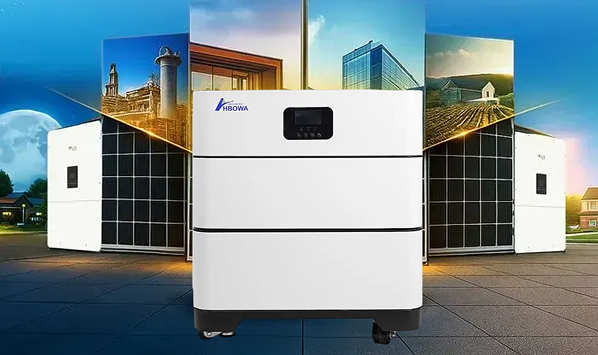
A solar power bank is brilliant for keeping phones, headlamps, and a camera alive when you are away from power. What it cannot do is run your home. Even the biggest 40,000 mAh bank holds about 0.15 kWh of energy, while a single household solar battery stores 10 kWh or more, enough to power your fridge, lights, and Wi-Fi through an evening or a blackout.
There is a middle rung worth knowing about too. A portable power station, the suitcase-sized unit campers use to run a fridge or a CPAP machine, sits between a pocket power bank and a fixed home battery. It stores far more than a power bank, but it still cannot back up your house or cut your power bill the way a roof-charged home battery does.
So if your real goal is to stop losing power every time a storm rolls through South East Queensland, or to stop buying expensive grid power at night, a portable gadget is the wrong tool. That job belongs to a home solar battery, charged by your rooftop panels and sized to your actual usage.
Volteam installs CEC-accredited home battery systems across Brisbane and South East Queensland, and handles the federal Cheaper Home Batteries Program rebate as an upfront discount on your invoice. You can read how it works on our solar batteries Brisbane page, or check the current rebate on the Cheaper Home Batteries Program page.
Want backup that runs your whole home, not just your phone? Talk to Volteam about a solar battery system. We are QLD Electrical Licence #72286 and Clean Energy Council accredited, and we back our pricing with a 30-Day Price Beat Guarantee. Get a quote or call 1300 865 832.
Frequently Asked Questions
Do solar power banks actually work?
Yes, but with realistic expectations. The battery charges fully from a wall socket like any power bank, and the built-in solar panel tops it up slowly in direct sun. Solar is a backup for when no power point is available, not a fast or primary way to charge.
How long does a solar power bank take to charge in the sun?
A built-in 5W to 6W panel adds roughly 1,000 to 1,500 mAh per hour in strong, direct sunlight. A large 25,000 mAh bank can therefore take a full day or more of good sun to refill from empty. Cloud, shade, and panel angle slow it down further.
What size solar power bank do I need?
For a single phone over a weekend, 10,000 to 20,000 mAh is enough. For camping with a few devices, choose 25,000 mAh or more. Remember that bigger capacity means more weight and a longer recharge time.
How many times can a solar power bank charge a phone?
It depends on capacity. A 10,000 mAh bank refills a typical phone about twice, 20,000 mAh around four times, and 25,000 mAh roughly five times. Real figures sit a little below the simple maths, since some energy is lost converting the battery’s voltage to your phone’s.
Are solar power banks waterproof?
Many are water and dust resistant rather than fully waterproof. Check the IP rating: IP65 or IP66 handles rain and dust well, while IP67 can survive brief submersion. Avoid leaving any of them sitting in water.
Can a solar power bank charge a laptop?
Some can, if they have a USB-C Power Delivery port with enough output, usually 45W or higher. Check both your laptop’s charging requirement and the bank’s PD output before relying on it.
What is the best solar power bank for blackouts?
For emergencies, choose a high-capacity bank (25,000 mAh or more) with a bright flashlight and an SOS mode, and keep it charged and ready. For backup that powers your actual home rather than your devices, a home solar battery is the real solution.
Is a solar power bank worth it?
For anyone who spends time off the grid, yes. It is cheap insurance against a dead phone when you are camping, travelling, or caught in a blackout. If you rarely leave the power grid, a standard power bank without the solar panel is lighter and cheaper and will serve you just as well.
How long do solar power banks last?
Most last around three to five years, or roughly 300 to 500 full recharge cycles, before the battery noticeably weakens. You get the most out of one by keeping it out of extreme heat, topping it up from the wall every few months if it is stored unused, and not leaving it sitting fully flat.
Conclusion
A solar battery charger power bank is one of the cheapest ways to stay connected off the grid, as long as you treat the solar panel as a top-up and buy enough capacity for your trip. For most people, a mid-range 25,000 mAh unit with fold-out panels and a USB-C port covers camping, travel, and the odd blackout without fuss.
When the goal grows beyond charging devices to keeping your whole home running and cutting your power bill, that is where a home solar battery takes over. If that sounds more like what you are after, get a free quote with Volteam, call 1300 865 832, or estimate your savings first.