


Compare Solar Panels, Batteries, Inverters, and EV Chargers
The right product is the one that performs well once it’s installed at your property. You can compare all solar products here, including solar panels, batteries, inverters, and EV chargers, to find one that suits your needs.
Compare all brands from a specific product, or select two specific brands to compare them. View prices, specs, features, warranties, brand reputation, installation, and more. Then when your shortlist is ready, request a free quote and Volteam will confirm what suits your home or business.
Fill out your details and we'll call you back
* indicates required fields
"*" indicates required fields
Compare Solar Products by Category
Solar panels, batteries, inverters, and EV chargers each get their own comparison tool because the numbers that matter differ for every product. Choose the category you’re researching, and the cards below show what to check first, from panel efficiency to charging speed.


Solar Panels
See how panels differ on output, efficiency, and durability, which decide how much power a roof produces and how well panels cope with Brisbane’s heat.

Solar Batteries
Peak power output shows how much a battery can run at once in a blackout, while usable capacity and cycle life show the energy you can draw on and how long the battery lasts.

Solar Inverters
Check efficiency, capacity, and whether a unit is a hybrid inverter, which can also run a battery, or a string inverter, which handles panels only.

EV Chargers
Check phase type, charging speed, and solar integration. Phase type (single-phase or three-phase) must suit your property’s supply, and solar integration can direct surplus generation into the car.
Popular Product Comparisons
Compare well-known solar brands and how they stack up in terms of specs, features, price, and more.
Compare Solar Panels
Compare Solar Batteries
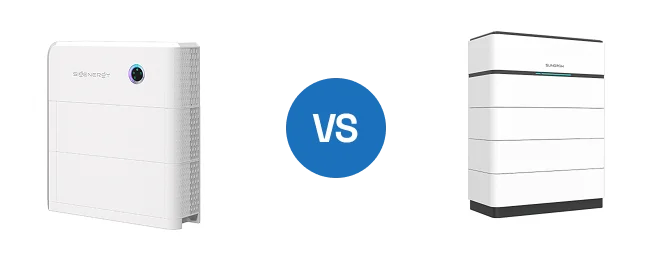
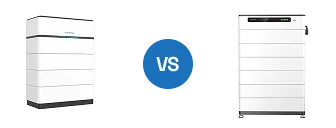
SIG Energy vs Sungrow
Sungrow vs GoodWe
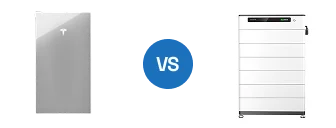
Tesla vs GoodWe
Compare Solar Inverters

Fronius vs Sungrow
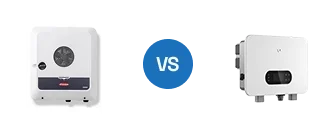
Fronius vs Goodwe
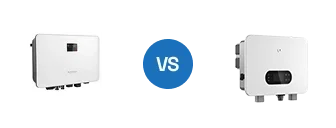
Sungrow vs Goodwe
Compare EV Chargers
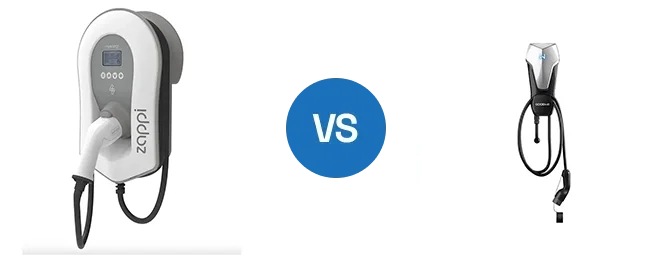
Zappi vs GoodWe
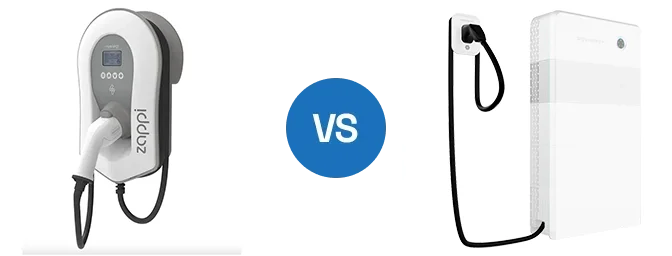
Zappi vs Sigenergy
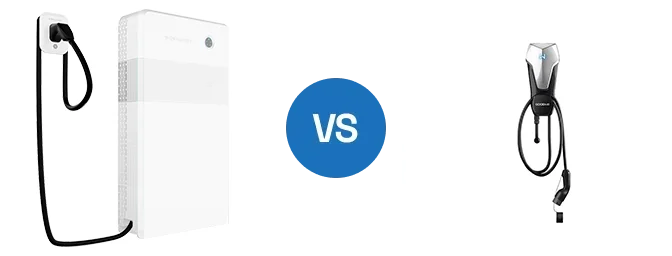
Sigenergy vs GoodWe
Frequently Asked Questions
Where does the comparison data come from?
The figures come from manufacturer specifications and product documentation, so capacity, efficiency, and warranty terms trace back to what the maker publishes. For an exact number before buying, the manufacturer's own datasheet is the reference.
Why does comparing specifications matter in Australia?
Australian heat, strong sun, and varied grid conditions change how a product performs in practice. Brisbane summers are hot and humid, so heat tolerance is worth checking. Efficiency and durability ratings show which products suit those conditions.
How do I use the comparison tool?
Pick a category, choose two products, and read them side by side on capacity, efficiency, and warranty. To skip the selecting step, open one of the popular pairs listed above and both products load together.
Why shouldn't I choose on price alone?
A lower price can come with lower efficiency, a shorter warranty, or limited compatibility with equipment you add later. Comparing specifications first shows what a price difference actually buys, so the cheaper option doesn't cost more over time.
What should I prioritise when comparing?
Start with performance and warranty, then check how the product fits your existing system and whether it leaves room to expand later. A battery that suits today's panels, but not a larger array, forces a second purchase.
Does a battery have to match my inverter?
Hybrid inverters can run a battery. A standard unit can't, so adding storage means upgrading to a hybrid or fitting a second inverter just for the battery. Volteam checks which type you have before quoting.
Where should I start if I'm planning a whole system?
A sensible order is panels first, an inverter sized to them next, then a battery, with a charger added once the electric car is in the driveway. Planning that sequence up front avoids paying twice for equipment that needs upgrading.
Will the Cheaper Home Batteries Program change which battery I pick?
The federal Cheaper Home Batteries Program applies to eligible batteries only. Check that a battery qualifies before you compare on price, because one that doesn't qualify misses the discount and can end up costing more than a dearer option that does.
How long are the warranties on these products?
They vary by product. Across the Volteam range, terms run from 2 years on the Fronius Wattpilot charger to 10 years on the Tesla Powerwall 3 and GoodWe Lynx Home F batteries, and quality inverters commonly carry about 10 years. The datasheet lists exact terms.
Found the Right Product? Get It Installed
Send through your shortlist and Volteam will check your property, then provide an itemised installation quote.