

Best Aussie Solar Batteries

Best Aussie Solar Batteries 2026: Australian-Made vs Built for Australian Homes

Search for an Aussie solar battery and you will see the word Australian stamped on almost everything. Some of it means the battery was made here. Some of it means the battery was built for our climate. And a lot of it just means the company selling it is Australian-owned.

Those are three very different things, and knowing the difference will save you money and stop you buying the wrong battery for the wrong reasons.

This guide compares the best Aussie solar batteries you can buy in 2026, which ones are genuinely made in Australia, and what really matters when you’re choosing storage for a home in our conditions.

Every price here is a market estimate that will vary with your home, your energy use, and current rebate values, so treat the numbers as a starting point and confirm the real figures on an itemised quote.

Compare the Best Aussie Solar Batteries

Product Specifications

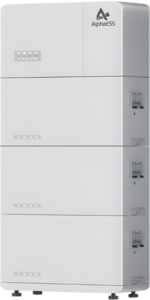
AlphaESS

5.0

Sungrow

sungrow-sbh-sbr
5.0

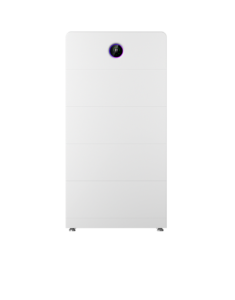
GoodWe

5.0

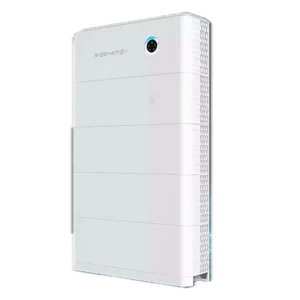
Sigenergy

Sigenergy SigenStor battery
5.0

Tesla

Powerwall 3 1707000-xx-y

Tesla Powerwall 3 battery
5.0

GoodWe

5.0

Fronius

fronius-reserva
5.0
Battery Type LFP (LiFePO₄) — Lithium Iron Phosphate Lithium LiFePO4 Prismatic Cell Lithium Iron Phosphate (LFP) Lithium Iron Phosphate (LFP) Lithium Iron Phosphate (LFP) Lithium Iron Phosphate (LFP) Lithium Iron Phosphate (LFP) – Pouch Cells
Usable Capacity 5 kWh 20.0 kWh 5.12 kWh 5–48 kWh per stack 13.5kwH 6.55 6.31 kWh
Modules 1 4 1–6 N/A (not explicitly defined) N/A (Integrated system) 2 2
Voltage Range 100–550 V 237.6 – 321.2 V 350 – 550 V 300–600 V N/A 182.4 ~ 230.4 185.6–227.2 V
Dimensions (HxWxD) 240 × 620 × 390 mm 900 × 675 × 350 mm 326 × 800 × 270 mm 270 × 767 × 260 mm 1,099 x 609 x 193 mm 625 × 600 × 380 mm 860×780×176 mm
Efficiency N/A N/A N/A 100 % DoD, ~98% round-trip efficiency high round-trip efficiency 90% N/A 95
Peak Power N/A N/A 7.5 kW (10s) 3.75 kW 5.8 kW (kilowatts), peak output of 7.6 kW 5.12 6.55
Weight 49.5 kg 196 kg 57.5 kg 55 kg 130 kg 115 kg 86.6 kg
Parallel Operations 1 battery module (no parallel battery modules) Up to 4 units Up to 6x stacks in parallel N/A Up to 4 units N/A Up to 4 batteries
Nominal Power 5 kW 14.08 kW 5 kW 2.5 kW 11.04 kW 5.12 kW 6.55 – 16.38 kWh
Warranty 10-year product & performance warranty ​10-year Warranty 10-year warranty 10-year / 9,000-cycle warranty 10 years 10-year product & performance warranty 10 years (at least 70% usable capacity)
Certificates IEC 62109-1/-2, IEC 62477, IEC 61000-6-1/3, AS/NZS 4777.2 CE, IEC 62619, IEC 62040, UN 38.3, VDE 2510-50, IEC 62477, IEC 63056CE, CEC, IEC 62619, IEC 62040, UN38.3, VDE 2510-50, IEC62477, IEC63056, IEC61000, UKCA IEC62619, IEC60730, EN62477, IEC63056, IEC62040; EMC: CE, RCM; Transport: UN38.3 IEC/EN 60730-1, UN 38.3, IEC/EN 62619, IEC/EN 63056, IEC/EN 62040 IEC 61000-6-1: 2016, IEC 61000-6-3: 2020, IEC 62477-1: 2022, IEC 62109-1: 2010, IEC 62109-2: 2011, IEC 62933-5-2: 2020, IEC 62619: 2022, UL 1973, UL 9540A, AS 4777.2 IEC62619, IEC62040, CEC, CE, RCM, UN38.3 IEC62619:2022 (includes thermal runaway test under 7.3.3), CE; VDE 2510-50, IEC62477-1, UN38.3

The Best Solar Batteries for Australian Conditions

Most Australian homes end up with a globally engineered battery that has a proven track record in our climate and a real support operation behind it. These are the batteries a Brisbane installer like Volteam fits every week.

BatteryChemistryUsable capacityBackup capabilityWarranty
Tesla Powerwall 3LFP13.5kWh, stack up to 4 unitsWhole-home backup, 90% round-trip10 years
Sungrow SBRLFP3.2kWh modules, 6.4 to 25.6kWhSingle-phase backup only10 years
AlphaESS SMILELFP5 to 20kWh, stackable to 30kWhEmergency power and off-grid capable, VPP ready10 years
GoodWe ESA SeriesLFP5 to 8kWh modules, up to 48kWh per stackFull backup load, switches in under 4ms10 years
Sigenergy SigenStorLFP5 to 48kWh per stack, up to 30 units in parallel0ms switch with the Sigen Energy Gateway10 years, 9,000 cycles
FoxESS EP5LFP5.18kWh, scalable to 20.8kWhNeeds the EPS-BOX-SP gateway, 2 to 3 second transfer10 years

All of these use lithium iron phosphate chemistry, which is the sensible choice for Queensland heat, and all are CEC listed and rebate eligible. The Powerwall 3 pairs a large usable capacity with a built-in inverter, the Sungrow SBR range scales in modular blocks, and Sigenergy goes furthest if you want room to expand later.

Full specifications for each model are on our solar batteries page. Capacity and warranty terms vary by model, so confirm both on your quote.

Whether any of these counts as genuinely Australian made is a separate question, and it’s worth answering properly.

What Makes a Solar Battery "Aussie"? Made in Australia vs Made for Australian Homes

A solar battery can be called Aussie in three different ways, and only one of them is about where it was actually built. Sorting them out is the key to reading past the marketing.

  • Made in Australia means the battery itself was designed and assembled here. Only a small handful of brands genuinely fit this description, and we name them in the next section.
  • Made for Australian homes means the battery is engineered to handle our conditions, our heat, and our grid rules, even though the hardware was manufactured overseas. This describes most of the premium batteries installed across the country.
  • Australian owned usually refers to the installer or retailer, not the battery. The biggest names in Aussie solar battery searches are local installation companies fitting imported hardware, not manufacturers.

The honest reality is that the vast majority of home batteries installed in Australia are made overseas, then chosen, installed, and backed by local companies. That is not a catch.

A globally built battery with a strong local warranty and an accredited installer behind it is exactly what most homes should be looking at.

The claimWhat it usually meansWhat it tells you about the battery
Australian madeDesigned and assembled hereRare, genuine, but a niche and often premium priced
Made for Australian homesBuilt overseas, engineered for our climate and gridDescribes most quality batteries installed here
Australian ownedThe installer or retailer is localSays nothing about where the battery was built

If some of the terms below are new, our solar energy glossary explains kWh, depth of discharge, and the rest in plain English.

Are There Any Australian-Made Solar Batteries?

Yes, there are a few genuinely Australian-made solar batteries, though they sit in specialist corners of the market rather than the mainstream. Being straight about them matters, because pretending they do not exist would be misleading. The main names are:

  • RedEarth Energy Storage designs, assembles, and tests its battery systems in Brisbane and has done so for well over a decade. Its focus is rugged on-grid and off-grid storage, often for rural and remote properties.
  • PowerPlus Energy is an Australian-owned manufacturer whose Eco range of lithium iron phosphate (LFP) batteries is Australian made, aimed largely at off-grid and hybrid builds and backed by long warranties.
  • Zenaji is an Australian-owned company that makes its AEON lithium titanate (LTO) battery in Mentone, Victoria, with an unusually long warranty and a very high cycle life.

These are real, credible Australian manufacturers. They tend to shine in off-grid, rural, or heavy-cycling situations rather than the typical suburban grid-connected home, and they are a smaller slice of the market than the global brands most homes end up with.
Knowing they exist is useful. Assuming Australian made is automatically the right choice for your home is where people go wrong, which brings us to the question that actually matters.

Does It Matter If Your Battery Is Made in Australia? What Actually Counts

For most grid-connected homes, where a battery was manufactured matters far less than whether it is right for your home, your climate, and the rebate.

A battery made on the other side of the world can be a smarter buy than a local one if it scores better on the things that genuinely affect your day-to-day results.

Here is what to weigh instead of the flag on the box.

  • Clean Energy Council listing. The battery must be on the CEC-approved product list to be installed by an accredited installer and to qualify for the federal rebate. This applies regardless of where it was made.
  • Suited to Australian conditions. Queensland heat is hard on batteries. Look for a solid IP rating for outdoor installation, a sensible operating temperature range, and lithium iron phosphate chemistry, which handles our climate well.
  • Warranty and local support. A 10-year warranty is the standard to expect, and what matters is whether there is an established support and warranty operation in Australia to honour it. Plenty of global brands have exactly that.
  • The right size and fit. A battery matched to your energy use and your inverter will always beat a poorly sized one, wherever it was built.

Country of manufacture is near the bottom of that list, not the top.

A CEC-listed, well-warranted battery suited to our climate and installed by a local accredited team is what delivers lower bills and reliable backup.

How Much Do Aussie Solar Batteries Cost in 2026?

A quality home solar battery installed in Australia in 2026 typically costs between $7,500 and $17,000, with most homes landing around $600 to $1,000 per usable kWh before any rebate. Where you sit in that range depends on the size you need, the brand, and your existing setup.

As rough market estimates:

  • A single battery for an average home, often in the 10 to 13kWh range, commonly runs from around $8,500 to $13,000 installed before rebate.
  • Per usable kWh sits around $600 to $1,000 for quality lithium storage, which is the fairest way to compare brands.
  • Your inverter situation matters. A hybrid or battery-ready inverter keeps costs down, while adding a separate battery inverter for a retrofit lifts the price.
  • Australian-made specialist batteries are not automatically cheaper. They are often priced at a premium for their niche, so compare on usable kWh rather than assuming local means lower cost.

For a fuller breakdown by size and brand, our solar battery prices guide walks through current market ranges, and the solar savings calculator helps you picture the numbers against your own bills. Every figure here is approximate and will vary.

The only accurate price is the one on a quote for your actual home.

Which Solar Batteries Get the Cheaper Home Rebate?

Any battery on the Clean Energy Council approved product list qualifies, wherever it was built. The federal Cheaper Home Batteries Program is based on the battery being approved and installed correctly, not on its country of manufacture.

To get the rebate, the battery has to tick four boxes:

  • It’s on the CEC approved product list
  • It’s sized between 5kWh and 100kWh, with support paid on the first 50kWh
  • It’s fitted by an accredited installer
  • It can connect to a virtual power plant, even if you never join one

That means every battery in the comparison at the top of this page is eligible, imported brands included. It also means an Australian-made battery earns no extra rebate for being made here.

The program takes around 30% off the upfront cost of an eligible battery, delivered as a discount through Small-scale Technology Certificates (STCs). The incentive is tiered from 1 May 2026 and steps down each year to 2030, so the exact figure moves.

There is no separate Queensland state battery rebate in 2026, so the federal program is the one that counts.

Your Rebate, Applied Straight to the Quote

Volteam is CEC accredited, so the Cheaper Home Batteries discount comes off your quote up front. No forms to chase and no waiting for money to come back.

Volteam: Your Local Aussie Installer

Here is the part of Aussie solar batteries that genuinely changes your results. The single most Australian thing about your battery will not be where it was made, but the local team that sizes, installs, and stands behind it.

A great battery fitted poorly, or backed by a company with no real local presence, is a bad buy no matter what the label says.

Volteam is an Australian-owned, licensed Brisbane electrical contractor (QLD Electrical Licence #72286, ABN 44 144 945 424, CEC accredited) with more than 10,000 installations across South East Queensland.

We install the global battery brands proven in Australian conditions, size them honestly around your energy use, handle the rebate as an upfront discount, and are here locally to support the system for its life.

Whether a battery is made here or overseas, a few questions cut through the marketing and tell you if it is the right buy:

  • Is the battery on the Clean Energy Council approved product list?
  • Is it lithium iron phosphate, with an IP rating suited to outdoor Queensland heat?
  • What is the warranty, and who honours it locally?
  • Is it sized to my actual energy use and matched to my inverter?
  • Does the price stack up per usable kWh, not just as a headline figure?

A battery built for Australian homes and installed by an Aussie team beats a badge on the box every time.

Get the Right Battery

for Your Home

Tell us your address and your average bill. We’ll size the storage around how you actually use power, apply the rebate to the quote, and give you a straight answer on which battery suits.

QLD Electrical Licence #72286 · CEC accredited · 1300 865 832

Frequently Asked Questions

Are there any solar batteries actually made in Australia?

Yes. RedEarth Energy Storage assembles its systems in Brisbane, PowerPlus Energy makes an Australian-made LFP range, and Zenaji manufactures its lithium titanate battery in Victoria.

They are credible Australian manufacturers, but they tend to suit off-grid, rural, or heavy-cycling homes rather than the typical suburban grid-connected setup, and they are a smaller slice of the market than the global brands.

Does it matter whether a solar battery is made in Australia or overseas?

For most grid-connected homes, no. What matters far more is whether the battery is CEC listed, suited to our climate, well warranted with local support, and correctly sized.

A quality imported battery that scores well on those measures usually beats an Australian-made one chosen just for its country of origin.

What is the best solar battery for Australian conditions?

Look for lithium iron phosphate (LFP) chemistry, a solid IP rating for outdoor heat, a 10-year warranty backed by a local support operation, and a size matched to your energy use.

Brands like Tesla Powerwall 3, Sungrow, AlphaESS, GoodWe, and Sigenergy all meet these standards and are proven in our climate.

Do imported or overseas-made batteries still qualify for the battery rebate?

Yes. The Cheaper Home Batteries Program depends on the battery being on the CEC approved list and installed by an accredited installer, not on where it was made. A global-brand battery qualifies for the roughly 30 percent discount on the same terms as an Australian-made one.

How much do solar batteries cost in Australia in 2026?

A quality installed home battery typically costs between $7,500 and $17,000, or roughly $600 to $1,000 per usable kWh before the rebate. The final figure depends on the size you need, the brand, and your existing inverter, so compare on usable kWh and confirm the price on a quote.

Why choose an Australian-owned local installer for your battery?

Because the local team sizing, installing, and warranting your battery has more impact on your results than the country it was manufactured in. A CEC-accredited local installer sizes the system correctly, handles the rebate, and is on hand to support it for years, which a distant supplier cannot match.