

How Much Does a Solar Battery Cost? Pricing, Rebates & ROI Explained
Electricity bills have been a moving target across Australia, so we’re not exactly surprised that homeowners are looking for more control. Even the Australian Energy Regulator’s Default Market Offer (DMO) draft for 2025-26 flagged residential price rises of 2.5% to 8.9%.
That’s a big part of why we’re seeing more people ask about home battery storage: it’s one of the simplest ways to use more of your own solar and buy less from the grid at night – even backup power so you’re more independent.
In this guide, we’ll break down:
- Solar battery cost Australia
- Installation costs
- Rebates
- Return on investment
Average Solar Battery Prices in Australia
So, what do solar battery prices typically look like in Australia right now?
- Small batteries (~5 kWh): from around $4,000+ for smaller systems
- Typical home battery storage price (~10-14 kWh): around $10,000 to $13,000 installed
- Larger systems/premium backup setups: often $13,000+, depending on backup circuits, inverter needs and site complexity
Bear in mind, though, this doesn’t include the impact rebates can have. If you’ve heard of the Australian Government’s Cheaper Home Batteries Program, you’ll know how eligible households can get around 30% off the upfront cost of installing approved small-scale battery systems (5-100 kWh) – more on that later.
Factors Affecting Solar Battery Cost
Here’s what actually moves the price up or down:
- Battery capacity (kWh): Bigger batteries cost more, but often get a lower $/kWh than small units.
- Power capability (kW): If you want to run heavier loads (or more backup circuits), you may need higher output capability and extra backup hardware.
- Your current inverter setup: If your solar inverter is compatible with adding storage, great. If not, you may need a hybrid inverter or other integration hardware, which increases your total solar battery installation cost.
- Single-phase vs three-phase: Three-phase holes can need different equipment configurations and switchboard work.
Solar Battery Installation Cost Breakdown
Naturally, your total expenses here will include the solar battery installation cost, too. So it’s not just the price of the hardware. This is how the pricing typically breaks down:
Hardware Costs
- Battery units (modules + BMS)
- Inverter or integration hardware (if required)
- Backup hardware (gateway/backup switch, changeover components, critical loads panel if used)
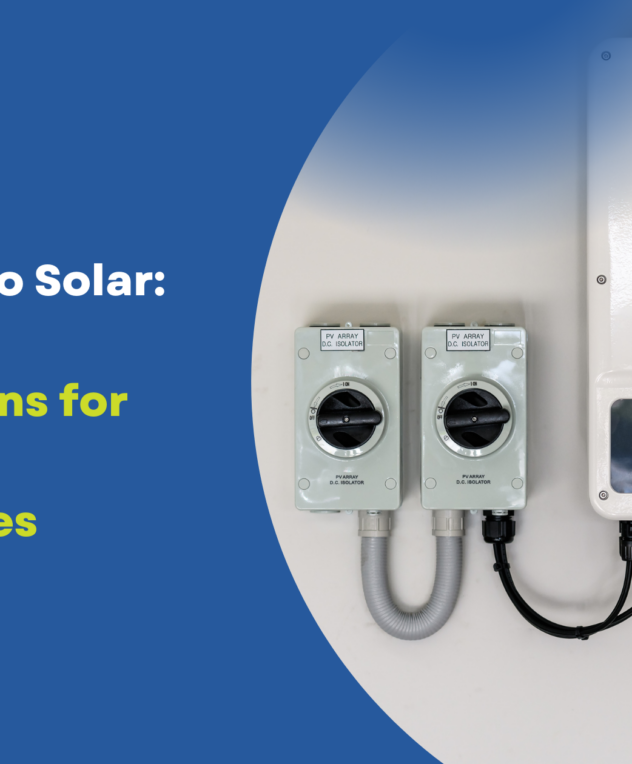
- Mounting, cabling, protection gear (isolators, breakers, conduits)
Labour Costs
This is all the electrical labour involved with everything from mounting and wiring to commissioning, testing and compliance paperwork. Also, it can take even longer if access is tricky or your site requires extra safety measures. This isn’t really a concern we have for residential properties, however.
Monitoring Systems
We install loads of batteries that come with apps and monitoring – like enhanced consumption monitoring (CT clamps, metering) or remote diagnostics features that generally help long-term performance and support
Electrical Upgrades
There are plenty of available upgrades in this industry:
- Switchboard upgrades
- Additional safety devices/protection
- Metering changes (where relevant)
- Bringing older installations up to current standards
At Volteam, we size and design the system around your goals (bill savings, backup, future EV), and we’ll give you a simple quote so there aren’t any nasty surprises mid-install.
Government Rebates & Incentives
Following on from the previous point:
Federal: Cheaper Home Batteries Program (via SRES)
As touched on earlier, the federal government’s Cheaper Home Batteries Program can give you upfront discounts for certain battery installations (delivered through the Small-scale Renewable Energy Scheme).
It’s broadly described as around 30% off the upfront cost for eligible small-scale batteries, which is a huge amount to save when we’re dealing with thousands.
To be eligible, your system has to:
- Have been installed on or after the 1st of July 2025
- Be 5-100 kWh nominal capacity
- Be installed alongside new or existing rooftop solar (batteries installed without solar PV aren’t eligible)
- Be on the Clean Energy Council-approved list
- Be installed by an appropriately accredited installer, such as Volteam!
If you tell us your suburb and retailer, we’ll help you map what you can stack (federal + state + VPP options) and what paperwork is needed.
Best Solar Batteries Australia
We don’t have an objective “best solar battery” pick – it depends on whether you prioritise backup power, expandability, warranty length or price.
That said, we have a few favourites that we’re always installing for customers, so any pick from the table below is a solid choice (and we can help you decide which is best for you):
| Battery option | Lifespan | Warranty | Price range | Efficiency |
| Tesla Powerwall 3 | ~10+ years | 10 years | About $9,000 to $13,000 | Approximately 97.5%. Very high efficiency. Most of the solar energy you store can be used later, with only a small amount lost in the process |
| BYD Battery-Box Premium (HVS) | ~10+ years | 10 years | About $8,000 to $14,000 | Over 96%. You keep most of the energy you store, with minimal losses. |
| Sungrow SBR (HV modular) | ~10+ years | Commonly 10 years | About $7,500 to $13,500 | ~95%. High efficiency. You get back most of what you store |
| Enphase IQ Battery 5P | Long-life modular | 15 years (AU warranty) | About $6,500 to $10,500 | 90%. Most stored energy is available later, but losses are a little higher than the very highest-efficiency systems. |
| sonnenBatterie Evo | Long-life | 10 years / 10,000 cycles | About $9,000 to $15,000 | Efficiency varies by setup |
Some quick tips:
- If you want simple, strong backup capability and that clean “all-in-one” feel, we often quote Powerwall-type systems.
- If you want expandability (add modules later), modular systems like BYD/Sungrow can be a great fit.
- If you want long warranty duration and modular AC-coupled storage, Enphase is worth a look.
Are Solar Batteries Worth It?
For most homes, “worth it” comes down to three things:
ROI and Payback Period
A lot of Australian households land in a ~3-7 year payback window depending on tariffs, export rates, usage patterns and rebates. Now, if you’re on time-of-use pricing, have high evening usage or you’re exporting solar for a low feed-in rate, batteries tend to look better.
Savings Potential
A battery can help you:
- Use more of your solar in the evening
- Reduce peak-rate grid imports
- (In some cases) Earn additional value through VPP participation, where available
Environmental and Resilience Benefits
Even when ROI is “okay but not amazing,” many customers still choose batteries for:
- Backup power during outages
- Lower reliance on fossil-heavy peak generation
- Future-proofing for EVs and home electrification
Real Customer Scenario: Cost vs Savings
Let’s run a realistic example (numbers vary by home, but the logic holds).
- Home: 4-person household, ~25 kWh/day usage, already has 6.6 kW solar
- Goal: Reduce evening grid imports + backup for essentials
- Battery: ~10-13 kWh usable capacity
- Typical installed cost (before solar battery rebates Australia): around the $8,650-$10,595 “battery only” range for 10-13 kWh (we’ve based this on Feb 2026 averages.
Now apply incentives (federal + any eligible state/VPP):
- You’re getting around 30% off eligible installs with the federal program we mentioned earlier.
If the homeowner’s out-of-pocket ends up around $6,500-$8,000, and the battery saves $1,000-$1,400 per year in avoided grid imports (common when evening usage is high), that’s a rough 5-8 year payback.
And that’s often even shorter if tariffs rise or a state/VPP incentive stacks. We’ll calculate this precisely for you during your assessment using your bill data and tariff.
Why Install a Battery With Volteam?
You can buy hardware anywhere. The difference is whether the system is installed properly and supported long-term. Here’s how we approach it at Volteam:
- Expert system sizing: We size batteries based on your actual usage, export patterns and goals (bill reduction vs backup vs EV readiness).
- Quality installation: Neat switchboards and a setup that’s easily serviceable in the future.
- Rebate guidance: We help you understand what you’re eligible for and what can stack (federal + state + VPP options where available).
- Ongoing support: Monitoring and advice as your household changes.
Frequently Asked Questions
How Much Does a Solar Battery Cost in Australia Installed?
For many homes, installed pricing is somewhere in the high four figures to low five figures, depending on inverter needs and site work. Feb 2026 averages show ~$8,650 for a 10 kWh battery-only install.
Can I Add a Battery to my Existing Solar System?
Usually yes – but compatibility matters. Some systems are easy retrofits; others might need a hybrid inverter or additional integration hardware.
Do Solar Battery Rebates Apply if I Don’t Have Solar Panels?
Under the federal rules, batteries installed without solar PV (only charging from the grid) aren’t eligible.
What Size Battery Do I Need?
Most homes land in the 10-13 kWh range, but it depends on your night usage, whether you want backup and whether an EV is coming.
Is Backup Power included automatically?
Not always. Backup capability can require extra hardware and “essential loads” wiring. We’ll design this around what you actually want backed up.
Ready to Price Your Battery Properly?
Book a free battery assessment with Volteam. Contact us at 1300 865 832 to get a tailored recommendation and quote!