


Solar Battery Storage in Australia: Complete Guide to Costs, Types & Benefits
Solar energy is taking off in Australia!
There were more than 4 million solar panel installations on Australian rooftops by the end of 2024. In this year, around 18% of Australia’s electricity was generated by solar energy, according to the latest available government data.
The upward trend in solar energy is rising, and many households have turned to solar batteries as the best way to future-proof their homes with renewable solar energy.
In this guide, we explain solar battery storage in Australia and break down the costs involved with owning, installing, and storing a solar battery in your home.
What are Solar Batteries?
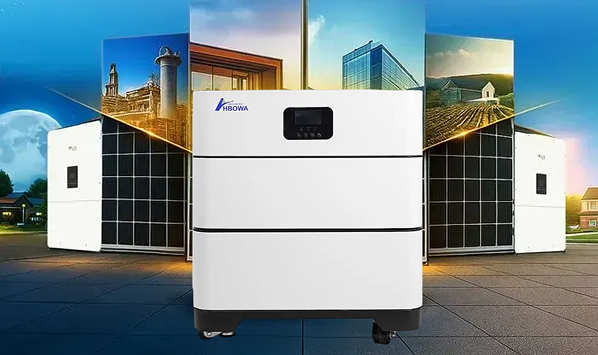
Solar batteries are box-shaped devices that connect to solar panels and store excess solar energy captured by the panels. They are typically installed either on the outside of a building or on the interior walls of a utility room or garage.
Types of solar batteries include modern lithium-ion and older lead-acid batteries. They usually cost several thousand AUD to buy and install, but government rebates in Australia provide discounts if you want to buy new solar batteries and panels.
How Does Solar Battery Storage Work?
Solar battery storage is the process of capturing energy from the sun and saving it in a battery. It works like this:
- Solar panels on your roof capture the sun’s energy.
- The energy is used to power your home, and any excess captured is transferred to the solar battery.
- The solar battery stores energy until you need it. This could be during a power blackout or during excessive energy consumption hours (like weekday evenings).
- You can also choose to sell excess solar energy back to the national grid, earning you money and a bigger return on investment (ROI) for your solar panels!
Different solar battery sizes store different amounts of energy. For instance, 10kWh solar batteries store up to 10kWh of energy and can power an LED TV for up to 100 hours. Meanwhile, 6kWh of solar batteries store less energy, so you may need to install more to reach your desired power backup.
Solar battery storage offers an affordable, cost-effective route to renewable household energy.
Solar Batteries vs Solar Panels
Solar batteries can’t function without solar panels. They need to be attached to the roof-mounted panels to capture and store excess solar energy.
However, you may be asking yourself, “Do I need a solar battery? Will solar panels be enough for my house?”
The truth is, yes, you can power your house with solar panels alone – but you’ll need to spend more on solar panels, and you won’t be covered in the event of power outages or extra energy demands.
Solar batteries make it possible for you to store energy to use at a later time. This means your home can produce more power, and you can even boost your ROI by selling any unused energy to the grid (so you’re never in danger of “wasting” solar energy).
So, while solar panels alone save you money by switching to renewable energy production, solar batteries can help maximise your ROI and decrease your dependence on the national grid.
Types of Solar Batteries
The effectiveness of solar battery storage depends on the type of solar battery you install. For example, an older lead-acid battery tends to be less efficient and durable than a modern lithium-ion battery.
Below, we break down the various types of solar batteries and how each one impacts energy storage capabilities.
Lithium-Ion Batteries (Most Common)
Lithium-ion solar batteries use efficient solid metals to store solar energy. They’re currently the most common type of solar battery and are found in residential homes across Australia. They’re durable and require little maintenance, making them popular with Australian homeowners.
- Pros: High energy efficiency, long lifespan, low maintenance, ideal for residential homes
- Cons: Slightly expensive upfront cost
- Impact on Storage: Efficient, optimised energy storage for medium-sized homes
Lead-Acid Batteries (Outdated Tech)
Lead-acid solar batteries are being phased out, as they are far less efficient and generate far less power than newer, more developed battery types. They are also far less durable, and most providers don’t offer long warranties for these older lead-acid batteries.
- Pros: Cheaper initial purchase
- Cons: Older, shorter lifespan, lower depth of discharge, more maintenance
- Impact on Storage: Inefficient energy storage and a lower overall capacity
Although they are cheaper initially, it’s much more cost-effective to avoid lead-acid batteries in the long term, due to ongoing maintenance and replacement costs.
Flow Batteries (for Businesses)
Flow batteries are rechargeable solar batteries that store energy in liquid electrolytes rather than solid materials (as with lithium-ion batteries). This makes them perfect for large projects and commercial uses, because you can easily scale up by expanding the liquid electrolyte tank, whereas lithium-ion batteries are limited by battery size.
- Pros: Ideal for businesses and commercial buildings, long lifespan, scalable for large systems
- Cons: Higher upfront cost, less suitable for residential homes
- Impact on Storage: Support larger systems with greater energy storage capacities
Solar Battery Costs in Australia
How much does solar battery storage cost in Australia? Check out the table below to see average prices for solar batteries by size, and who suits each capacity and price point:
| Battery Size | Cost (AUD) | Best For |
| 5-6kWh | $3,000-$7,500 | Light use, small appliances, short-term power backup |
| 10kWh | $8,000-$13,000 | Small/medium-sized households |
| 13.5kWh | $10,000-$15,000 | Average households and families |
| 15-20kWh | $15,000-$20,000 | High power usage, larger residential properties |
| 20kWh+ | $20,000+ | Commercial buildings and businesses |
Government Rebates and Discounts
Government incentives, such as the Cheaper Home Batteries Program, make solar battery prices more affordable. As we reported in our Solar Battery Price Guide for 2026, government rebates by the end of 2026 are as follows:
- 5kWh – $1,292
- 10kWh – $2,584
- 15kWh – $3,876
- 20kWh – $5,168
Plus, feed-in tariffs let you sell your excess, unused solar energy back to the national grid via your energy provider.
TIP: Use our solar savings calculator to see how much you could save with a solar battery!
Financial Benefits of Solar Battery Storage
Solar battery storage offers numerous ways to save money. Sure, installation costs are initially high, but the return on investment is significant.
A typical Australian household can recoup its initial spending on solar batteries in 5-10 years (known as the payback period). This means that after 5-10 years, you will start earning more money than you are spending on energy by selling your excess solar power back to the grid.
And in states with high incentives for solar energy (such as Queensland and New South Wales), your payback period may be as low as 3-5 years!
Let’s look at some of the other financial benefits of solar batteries:
Reduced Electricity Bills
Solar batteries help you bring down the cost of your monthly electricity bills.
By using more of your own energy (i.e., the energy you produce and store with your own solar panels and batteries), you use less energy from the national grid. This means you pay less to energy providers, who charge you for the energy you use from external sources.
You can also take advantage of exports and feed-in tariffs to sell solar energy back to the grid, although these tariffs are seeing a reduction in rates and are being increasingly limited.
Under the Cheaper Home Batteries Program, solar battery users can expect annual savings of between AUD $700 and $1,600 on their electricity bills.
Increased Self-Consumption
Solar batteries increase your storage capacity, helping you use more of your own solar energy instead of exporting at increasingly lower feed-in tariff rates. This enables you to live more independently and reduce the impact of global events on fluctuating energy prices.
For example, you can use your stored solar energy at night, when power demands are lower, to reduce your dependence on the grid.
Backup Power and Reliability
Another benefit of solar battery storage is that you’ll be covered in the event of power outages and blackouts. A solar battery’s stored energy is unaffected by national power outages or faults with the national grid.
Queensland (including Brisbane and the surrounding area) is consistently the most affected state in Australia for blackouts, so installing a solar battery is vital to ensure you’re never without power.
Save Money with a Solar Battery Today
Volteam offers expert solar battery installation services in the Brisbane area. Get your free quote today or contact us on 1300 865 832 to book your solar battery appointment and start saving money!